
From the TESTntel team
Electrical safety news & insights
Practical guidance on electrical safety and compliance, plus the latest on TELtag and intelligent parking — written by the technicians and specialists who do the work.
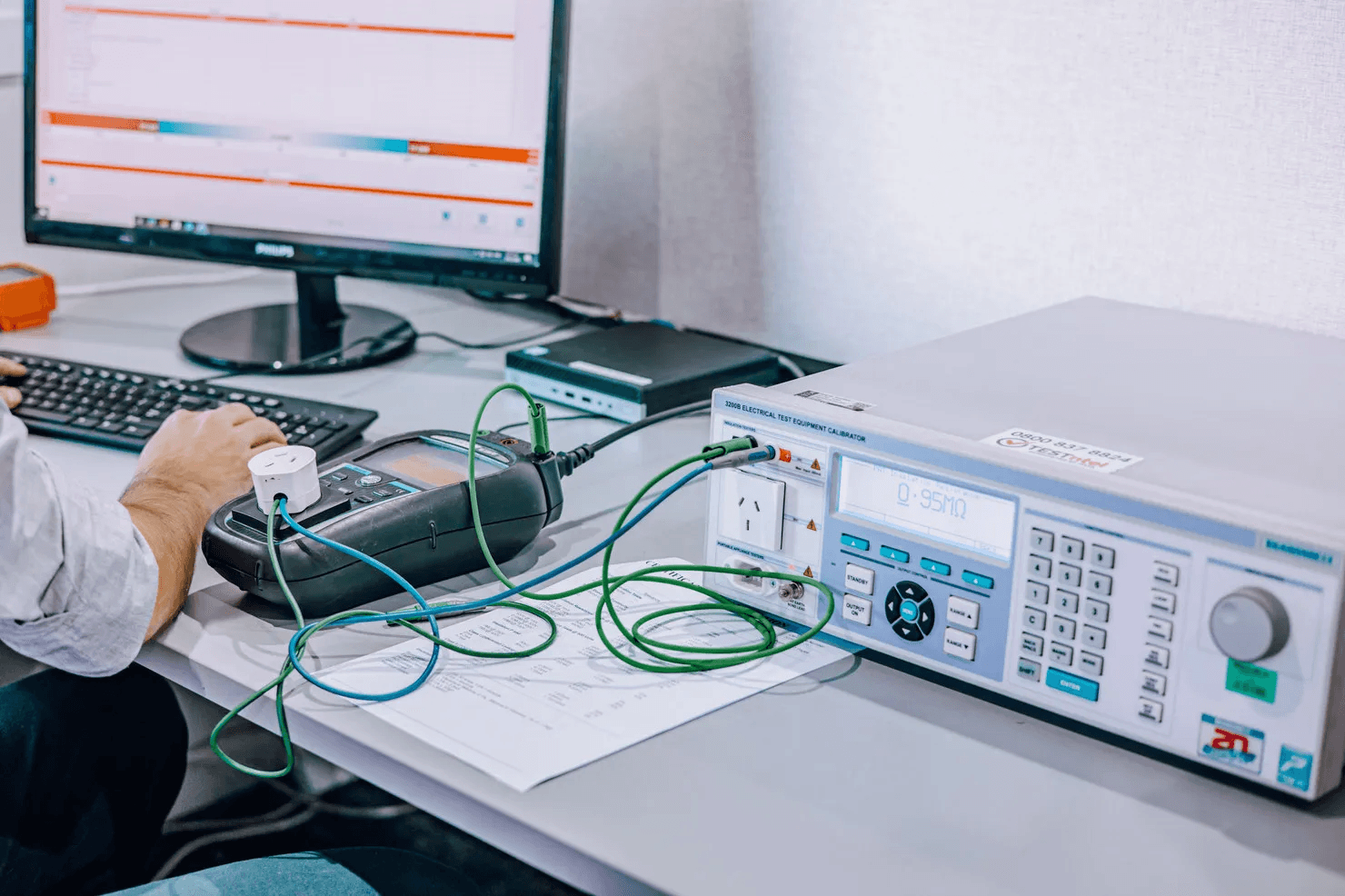

Intelligent Parking vs Traditional Parking Systems: How Modern Technology is Transforming Parking
Discover the difference between intelligent and traditional parking. Learn how LPR, hybrid parking and digital payment solutions improve efficiency, reduce congestion and enhance user experience.
Read more
TESTntel Parking Team at Intertraffic 2026, Germany
TESTntel Parking team attends Intertraffic 2026 in Germany, exploring the latest innovations in smart parking, LPR technology and mobility solutions.
Read more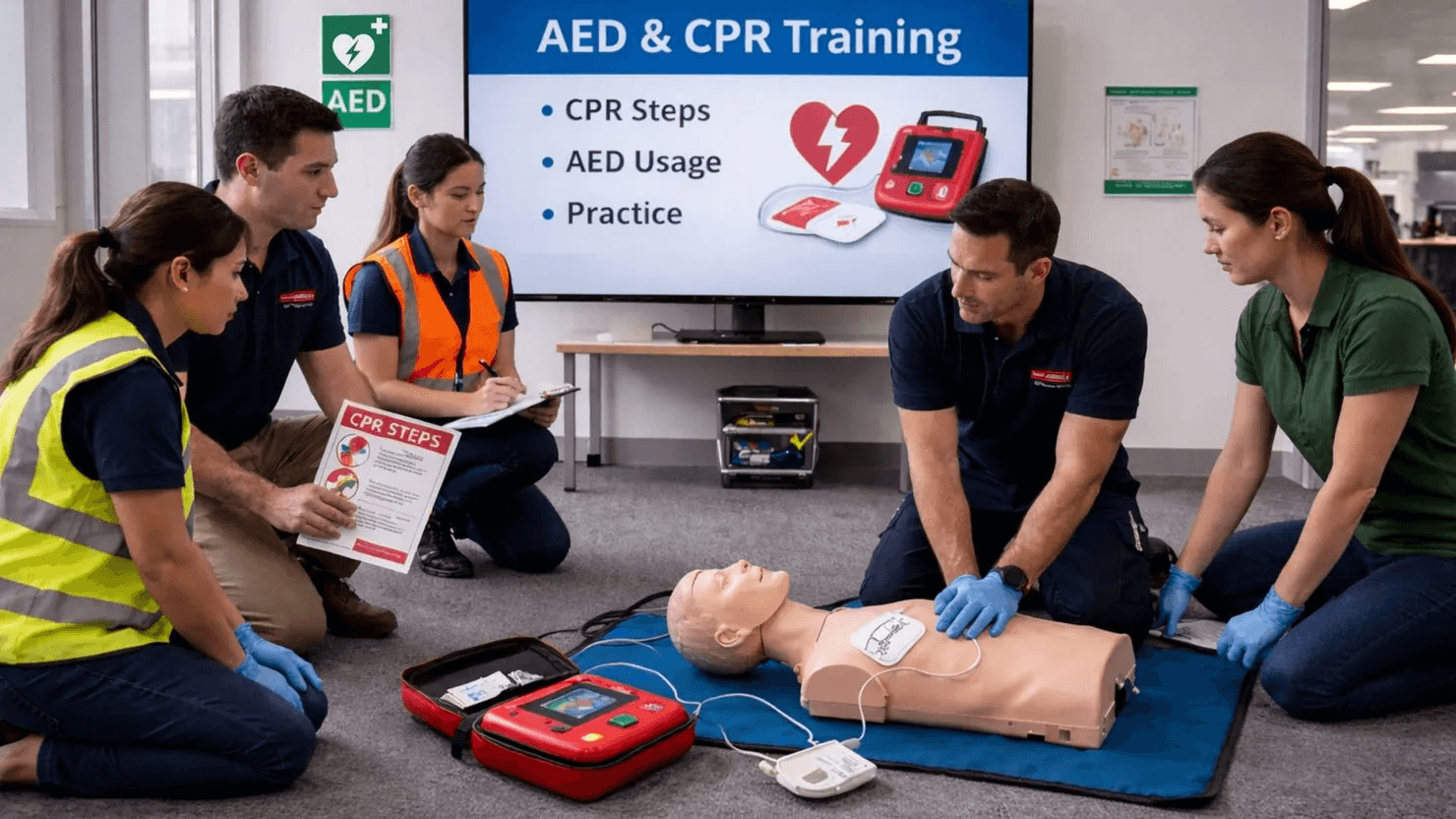
Onsite Workplace AED & CPR Training Up to 8 People
Onsite AED & CPR training in Auckland, Wellington and Christchurch for workplaces, 1-hour practical sessions. TESTntel AED testing, reporting and staff training to improve emergency readiness.
Read more
Food Truck Electrical & Fire Safety
Learn essential electrical and fire safety tips for food trucks in New Zealand. Discover why fire extinguishers, safe equipment use and compliance matter during the busy summer and Christmas event season.
Read more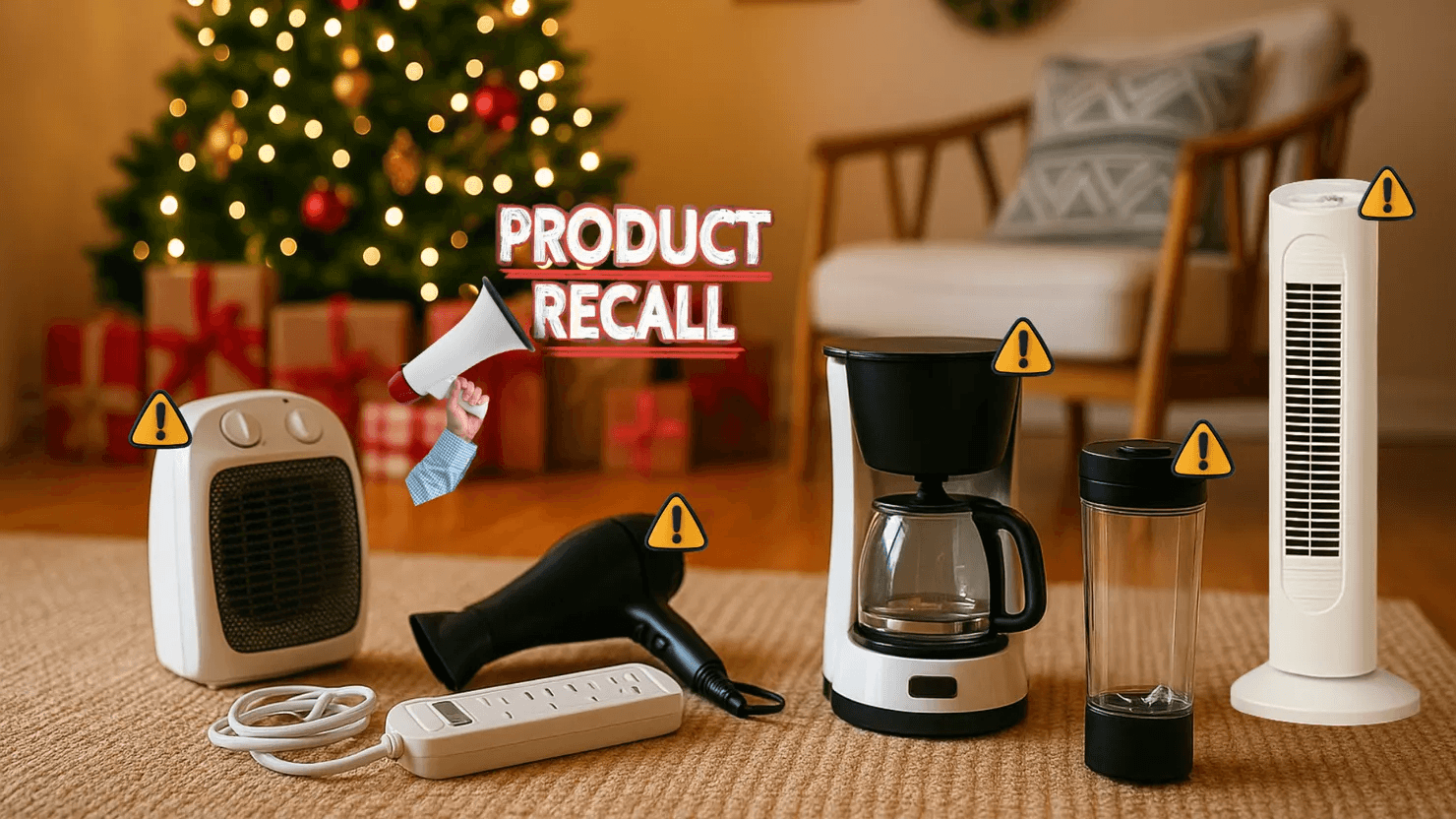
Stay Safe This Holiday — Watch Out for Recalled Products
Learn essential electrical and fire safety tips for food trucks in New Zealand. Discover recalled products, and why fire extinguishers, safe equipment use and compliance matter during the busy summer and Christmas event season.
Read more
Test & Tag in Schools: Electrical Safety for Kids
Learn why electrical test and tag are essential for schools. Discover what needs to be tested, how often, and how these services protect kids and ensure compliance under AS/NZS 3760:2022.
Read more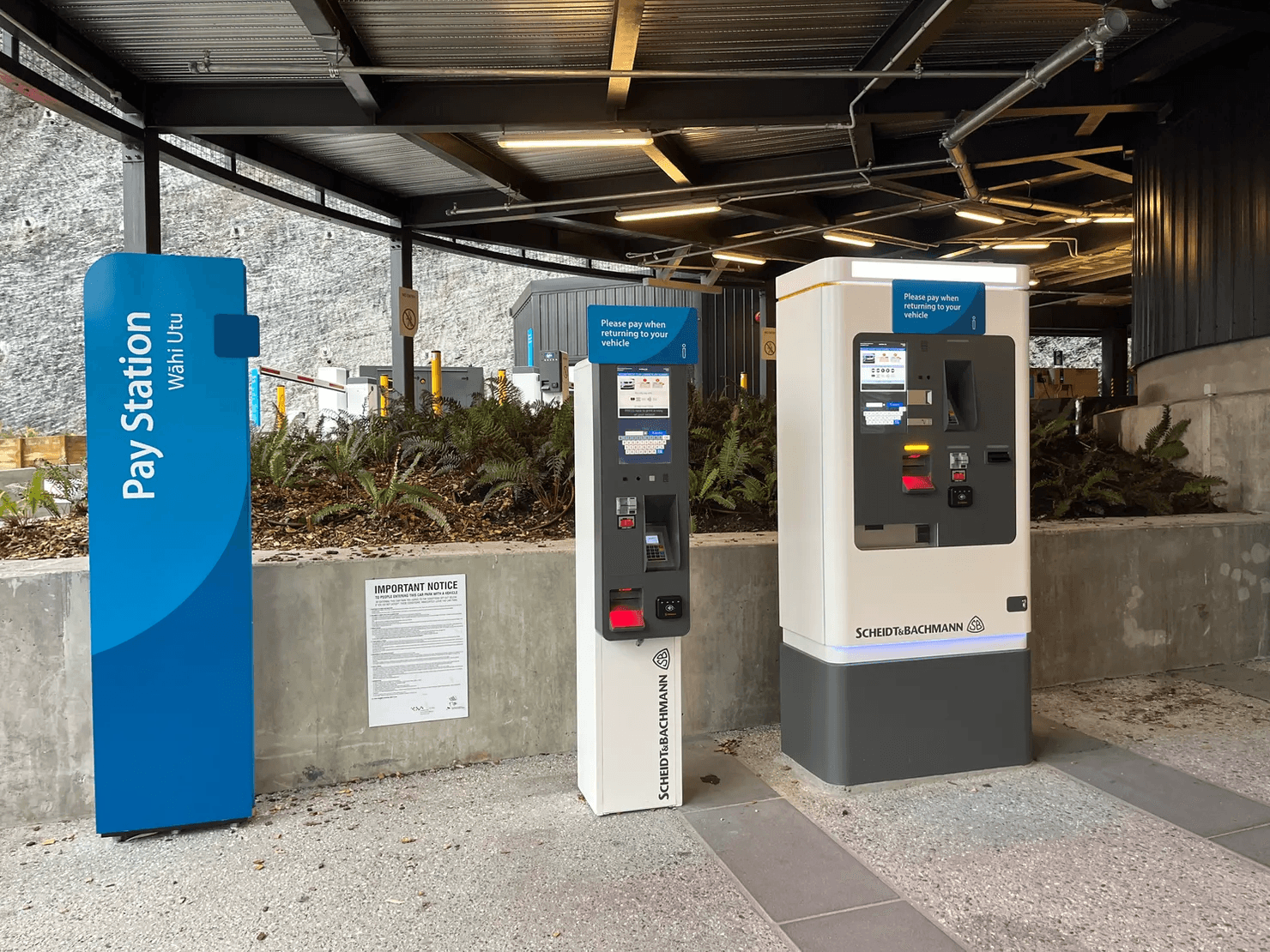
Introducing TESTntel Parking — Smarter, Ticketless Parking Solutions for Modern Facilities
TESTntel Parking, the exclusive Scheidt & Bachmann partner in New Zealand, introduces world-class entervo smart parking solutions to New Zealand, featuring projects in Queenstown and Auckland.
Read more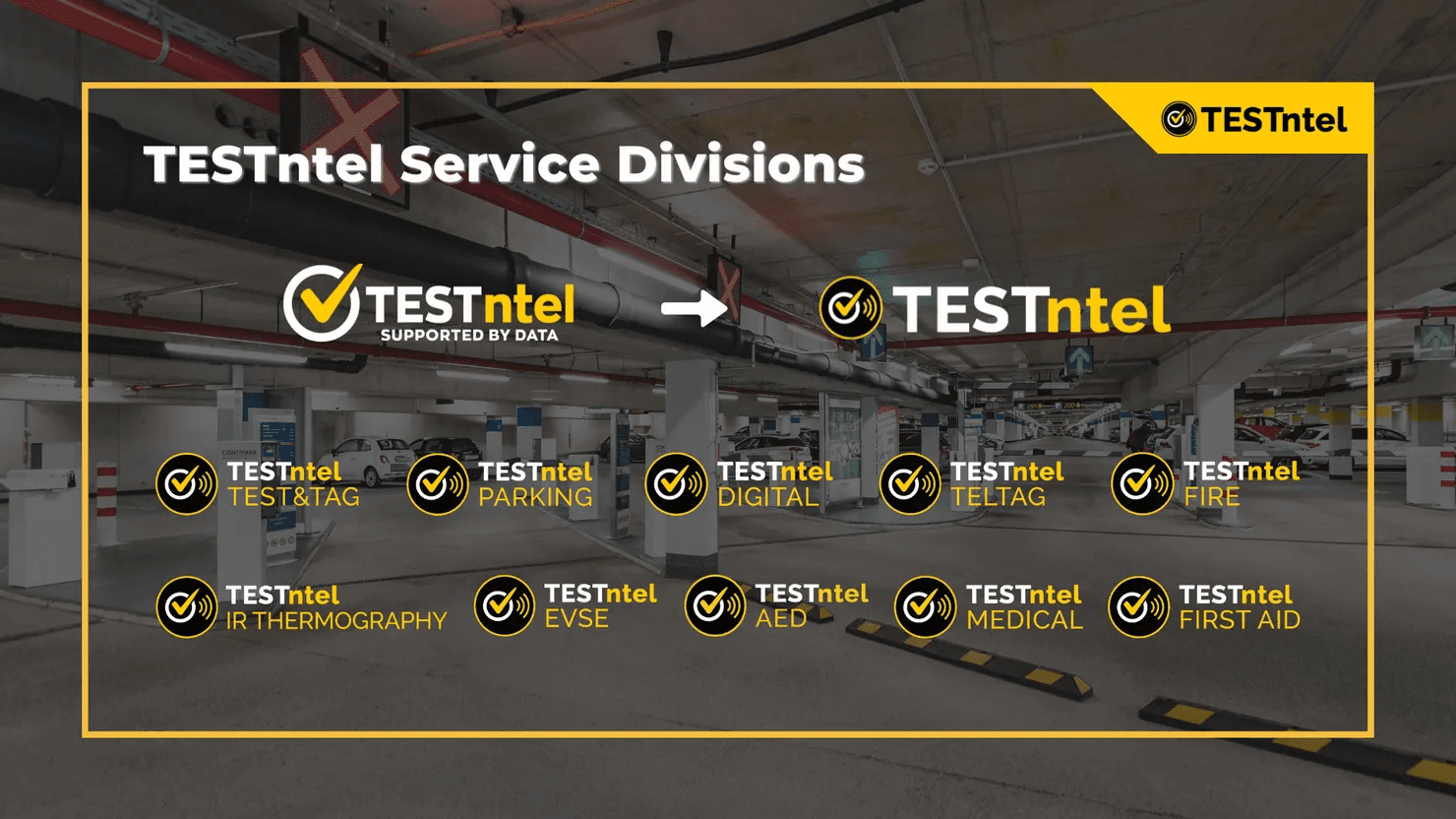
New Look, More Services: TESTntel’s Next Chapter
Discover the new TESTntel service divisions, from Test & Tag to Parking Solutions, Digital Service, TELtag, and more. Our rebrand delivers smarter, integrated solutions for facility and asset management across New Zealand.
Read more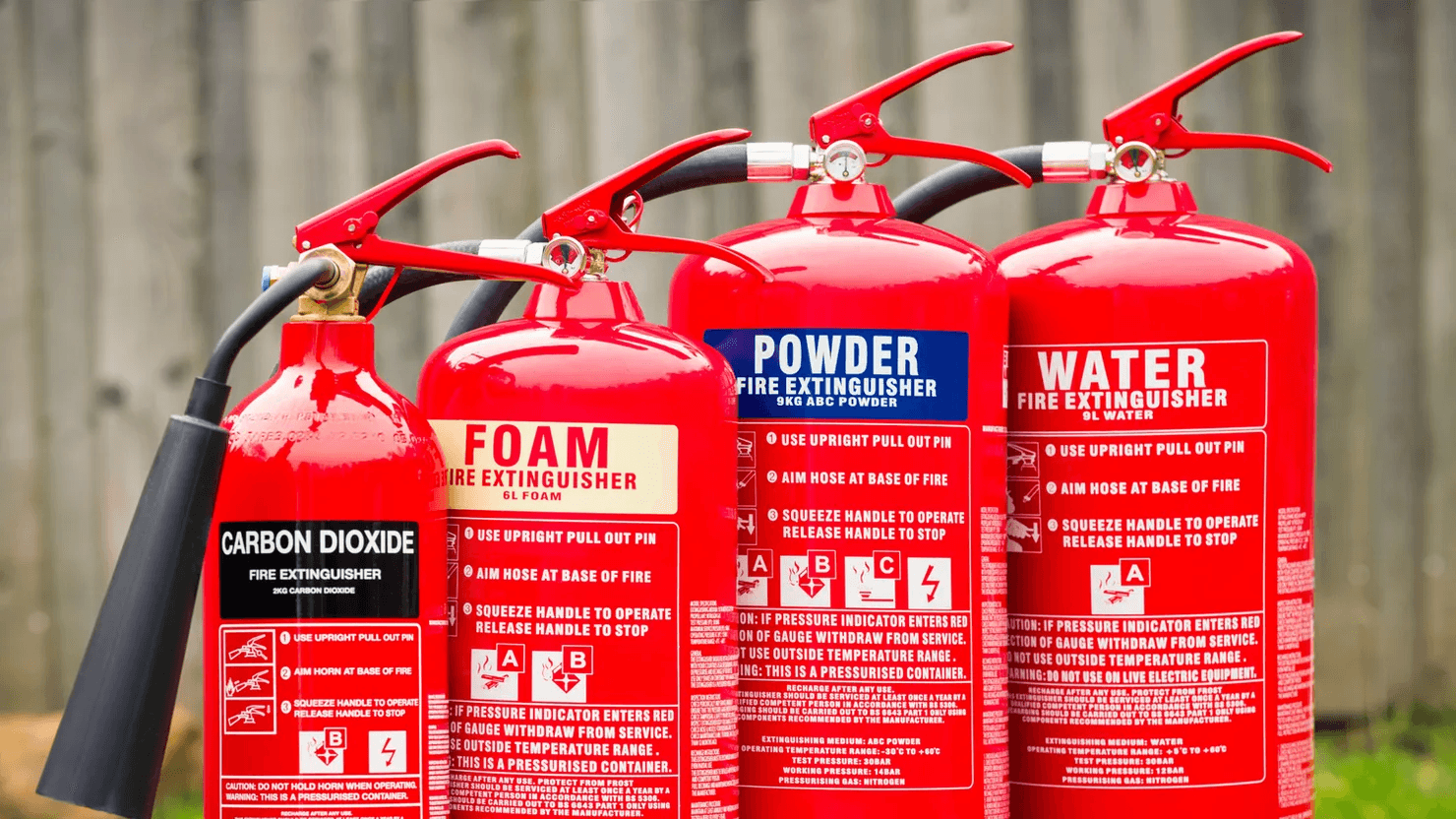
How to Know if Your Fire Extinguisher Is Expired
Learn how to check if your fire extinguisher is expired, what signs to look for, how often extinguishers should be tested in NZ and what to do with expired units.
Read more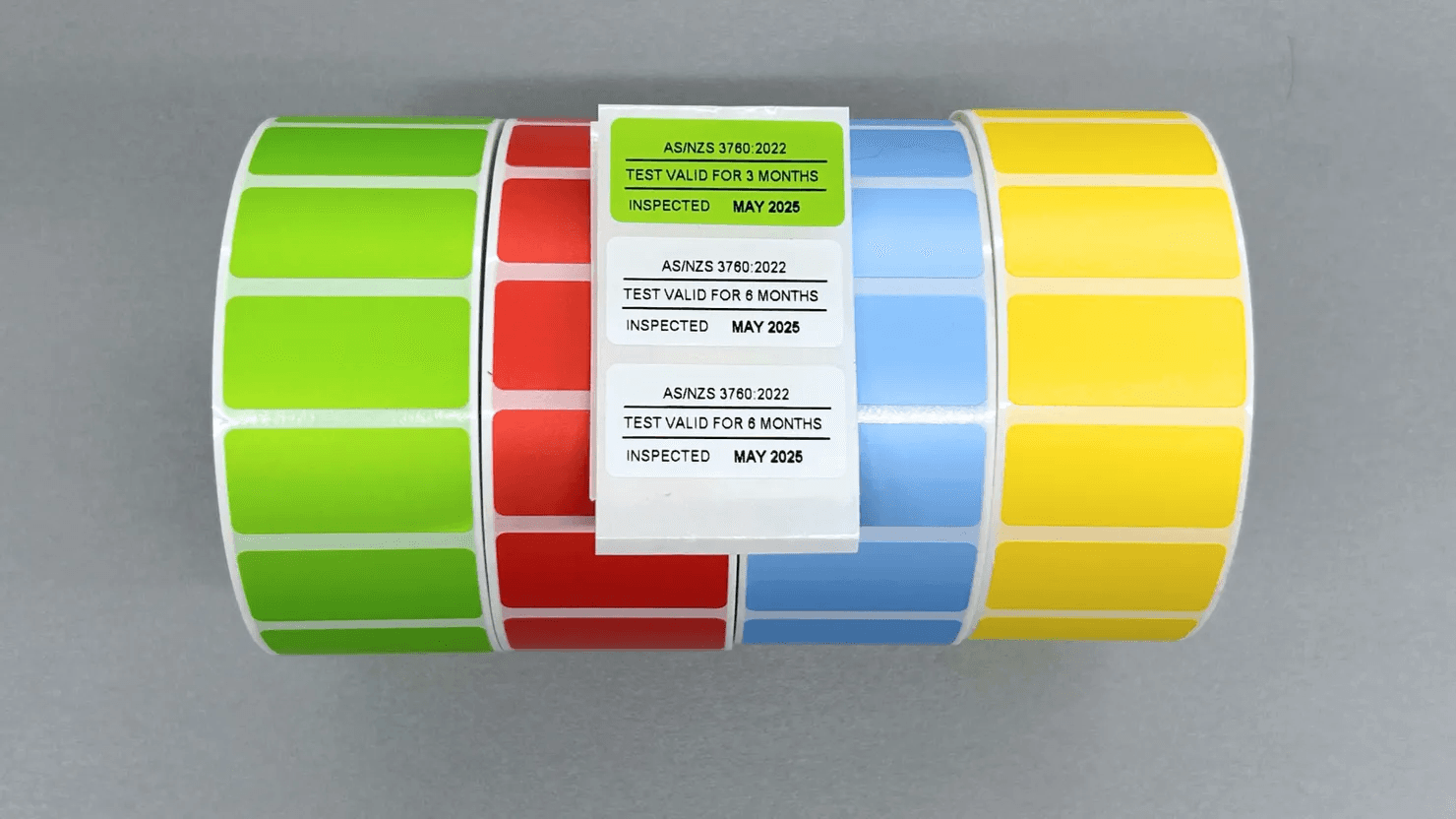
What do the Test and Tag Colours Mean?
Learn what the test and tag colours mean in New Zealand. Understand the colour rotation system, why it matters, and how it helps keep your workplace safe and compliant.
Read more
Body Protected Electrical Area: Everything you Need to Know
Learn what Body Protected Area Testing involves, who needs it, key AS/NZS 3003 requirements, testing frequency, and how TESTntel supports healthcare compliance across New Zealand.
Read more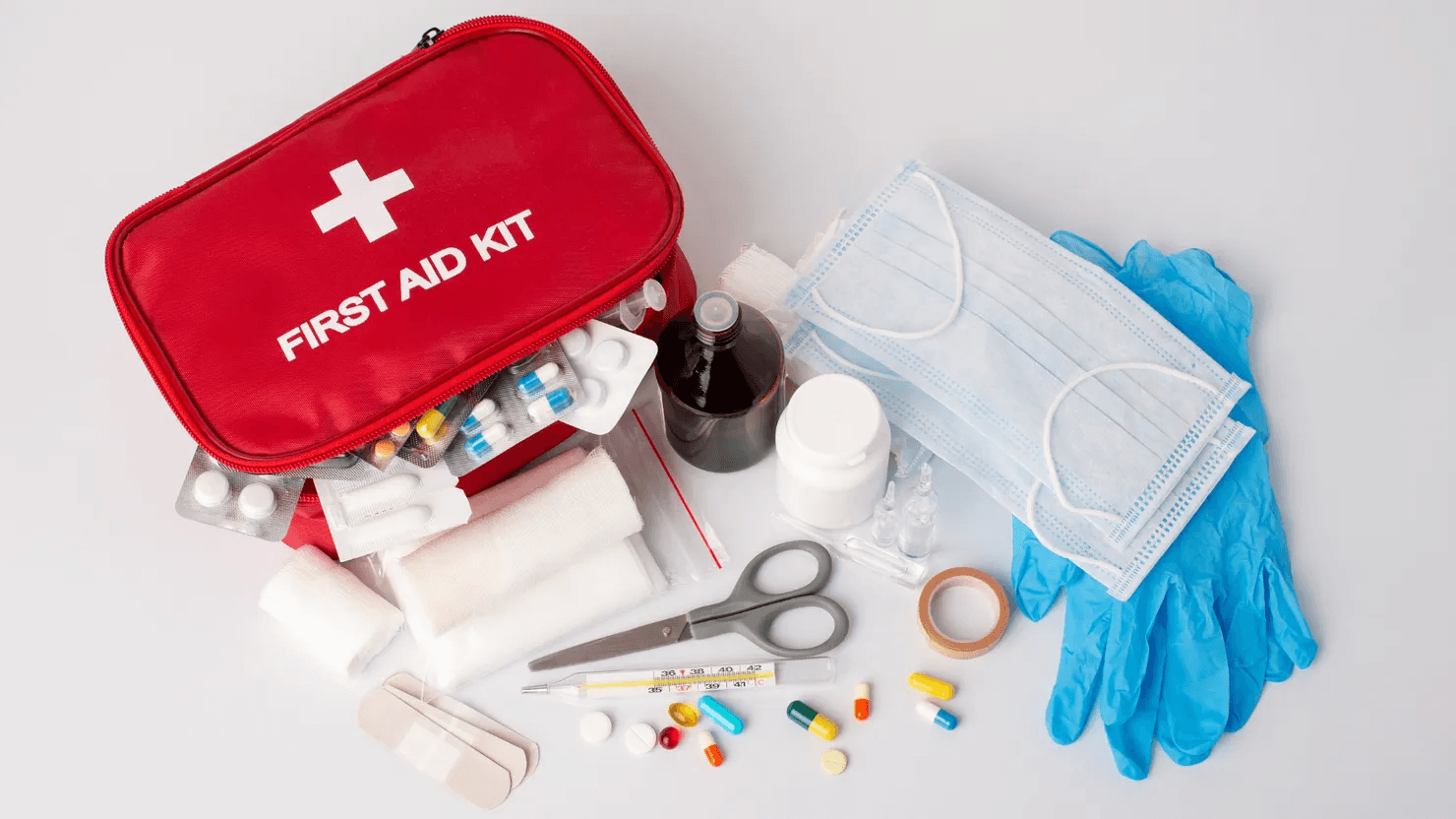
The Essential Guide to First Aid at Work in New Zealand
Learn what workplaces in New Zealand need for first aid, including first aid kits, training, remote worker support, AEDs, kit maintenance and WorkSafe NZ guidance.
Read more
Electricity Safety in Summer: Tips for Caravans, Camping and Outdoor Adventures
Stay safe this summer with essential electrical safety tips for caravans, camping, and outdoor activities. Learn how to prevent hazards, use RCDs, and enjoy your adventures safely.
Read more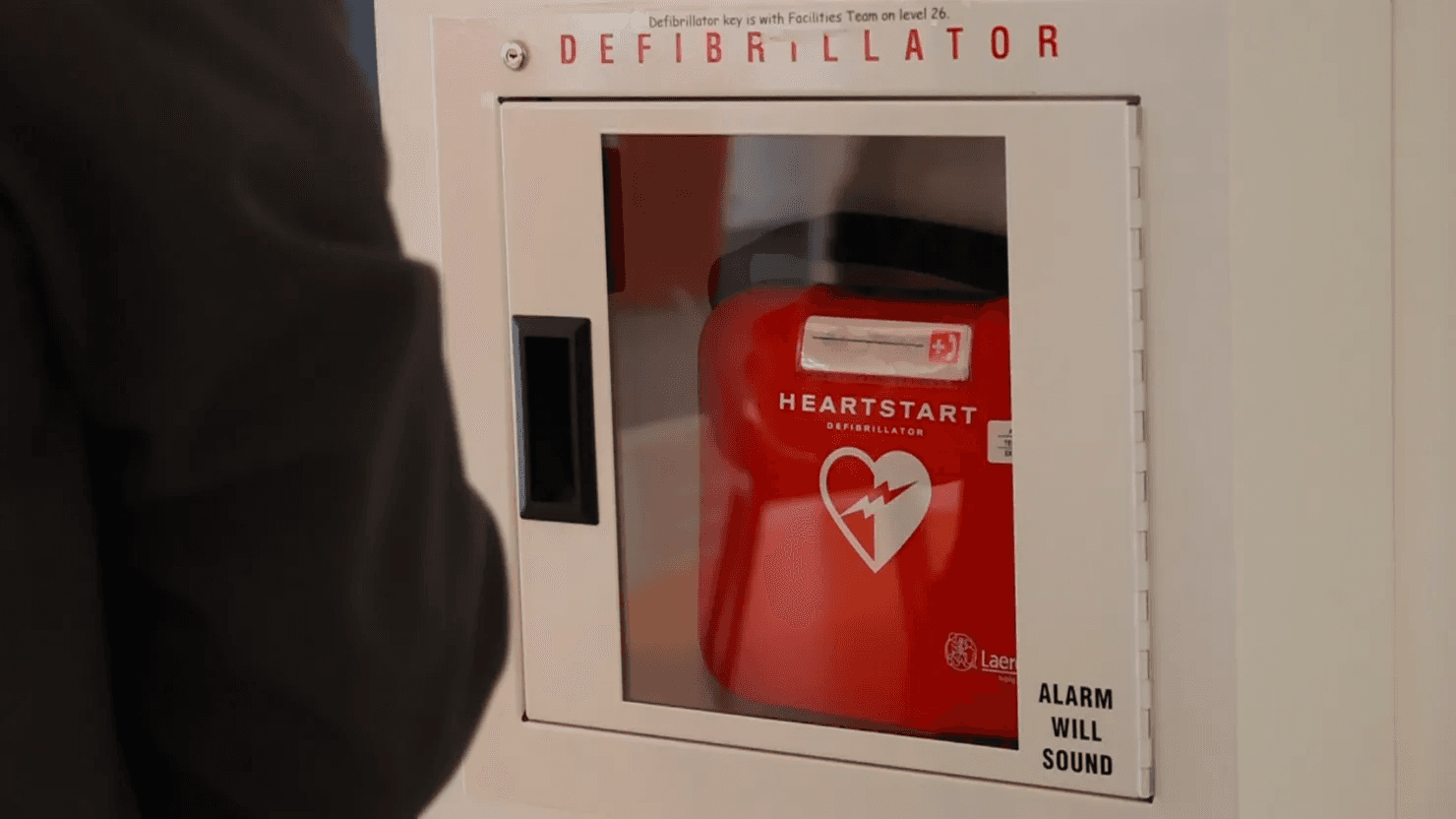
AED Testing: How to Check Your AED Is Good-To-Go
Discover the essential steps for AED testing to ensure your defibrillator is ready when needed. From checking battery levels to inspecting pads and running self-tests, discover how to keep your AED in top condition and compliant with safety standards.
Read more
How to Ensure Safe Testing of EV Charging Points [ebook]
Learn how to ensure safe testing of EV charging points in New Zealand, including key electrical tests, EV charger standards, testing frequency and who can perform inspections.
Read more
Electrical Safety When Working From Home | TESTntel [Infographic]
Learn essential tips for electrical safety when working from home. Stay safe and compliant with easy-to-follow guidelines.
Read more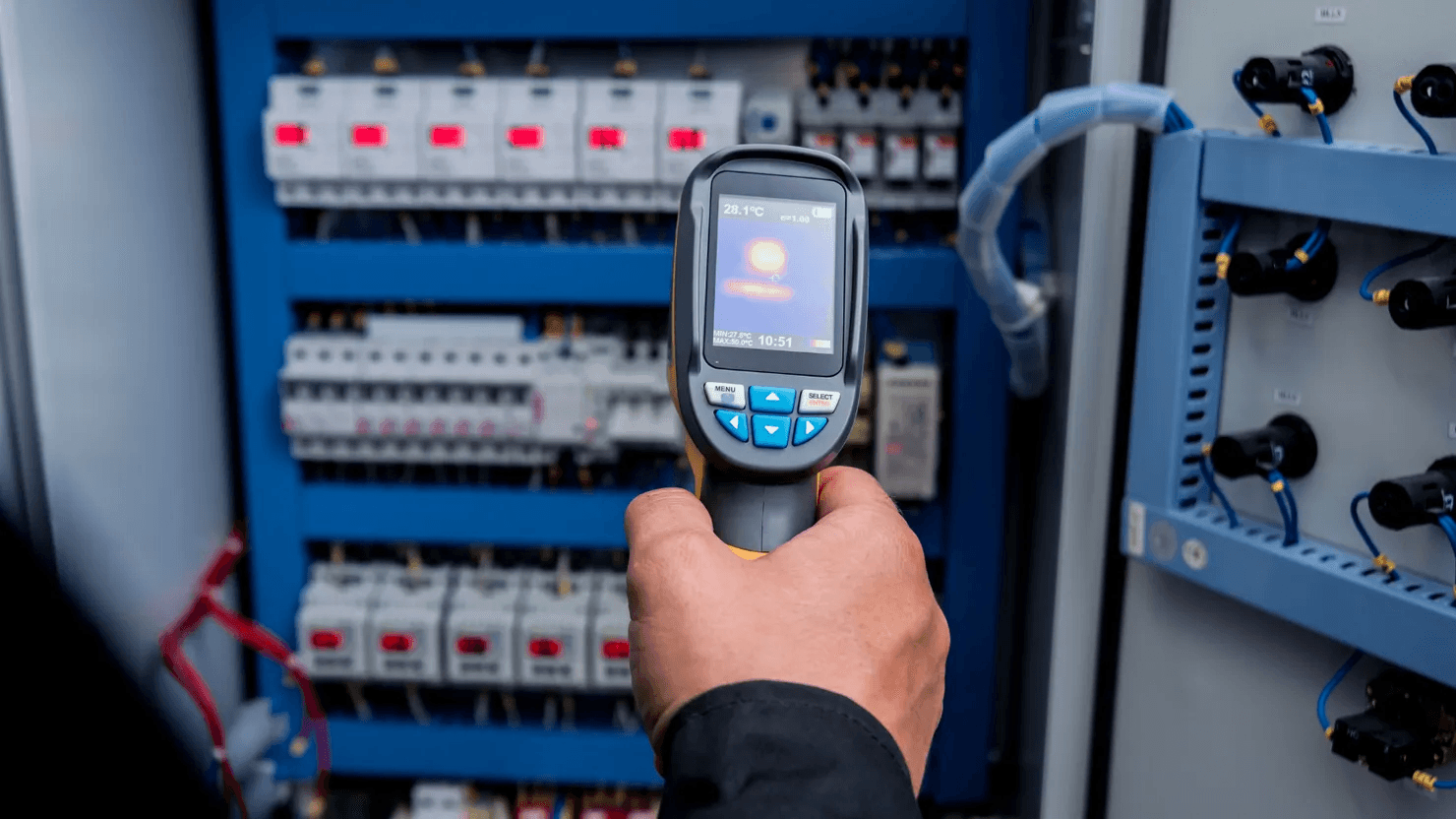
What is Electrical Thermal Imaging and Who Can Perform It?
Learn what electrical thermal imaging is, how infrared thermography works, who can perform thermal imaging surveys, and why it helps detect electrical faults early.
Read more
Why You Need a Portable RCD at Work
Discover why a portable RCD is crucial for workplace safety. Learn how it protects against electrical hazards and ensures compliance with safety standards.
Read more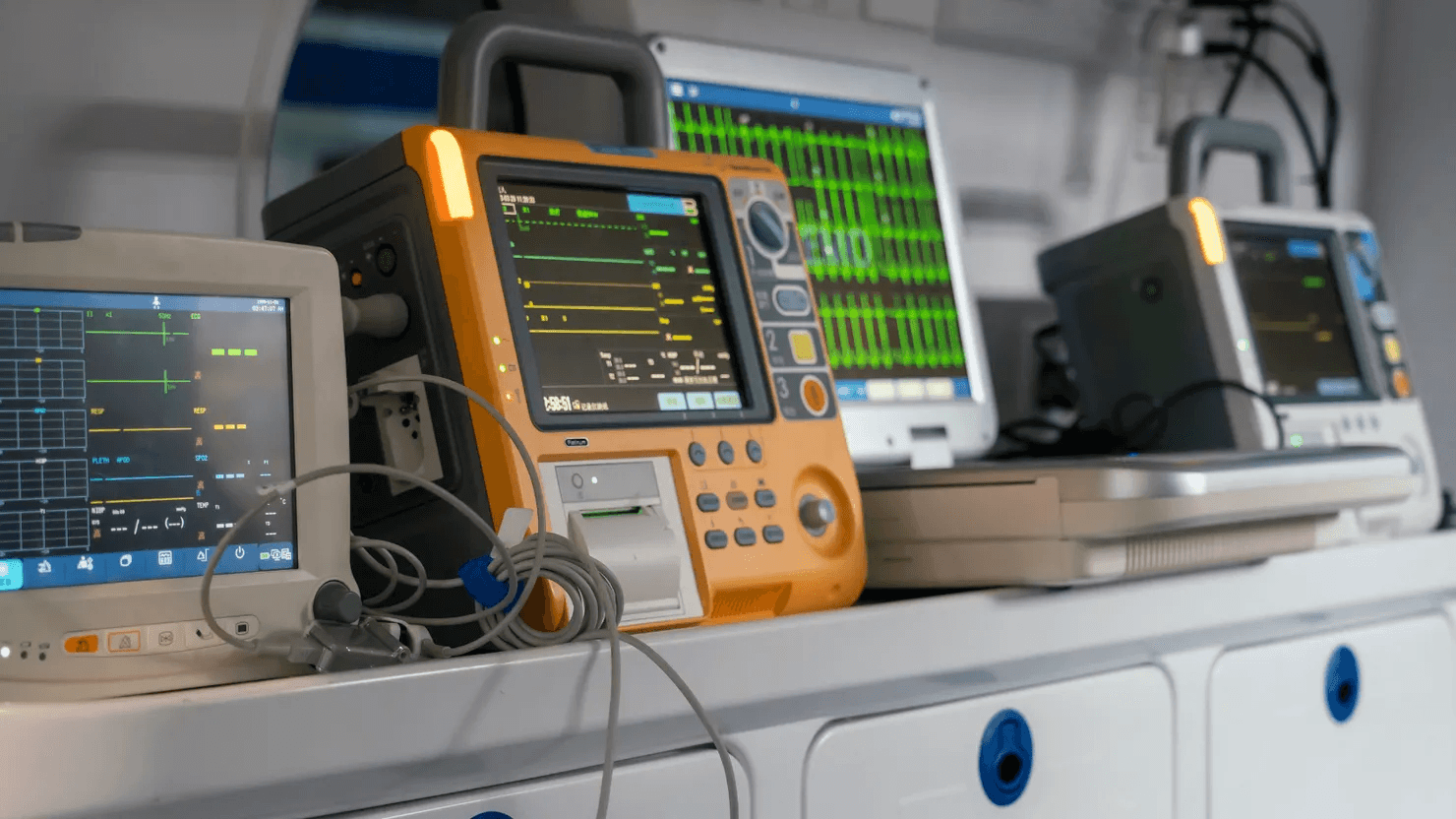
Understanding Medical Electrical Safety Rules & Performance Testing in New Zealand
Learn about medical electrical safety rules and performance testing in New Zealand. Understand essential regulations, compliance requirements, and best practices.
Read more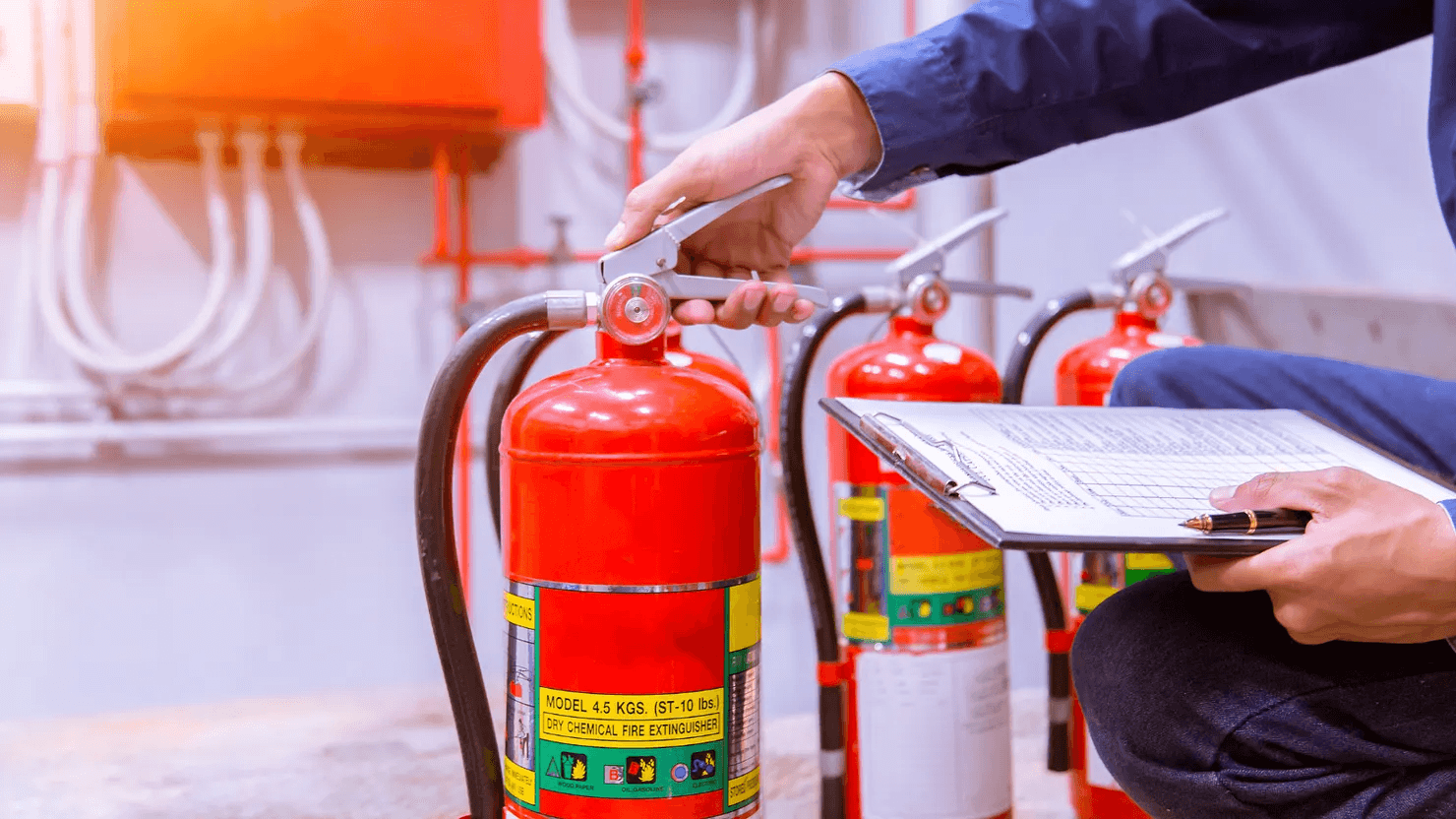
Fire Extinguishers: Types, Maintenance, and Testing Guide for Fire Safety [Infographic]
Learn about fire extinguisher types, fire classes, how to use an extinguisher, maintenance checks, testing procedures, common issues, disposal options and NZ compliance requirements.
Read more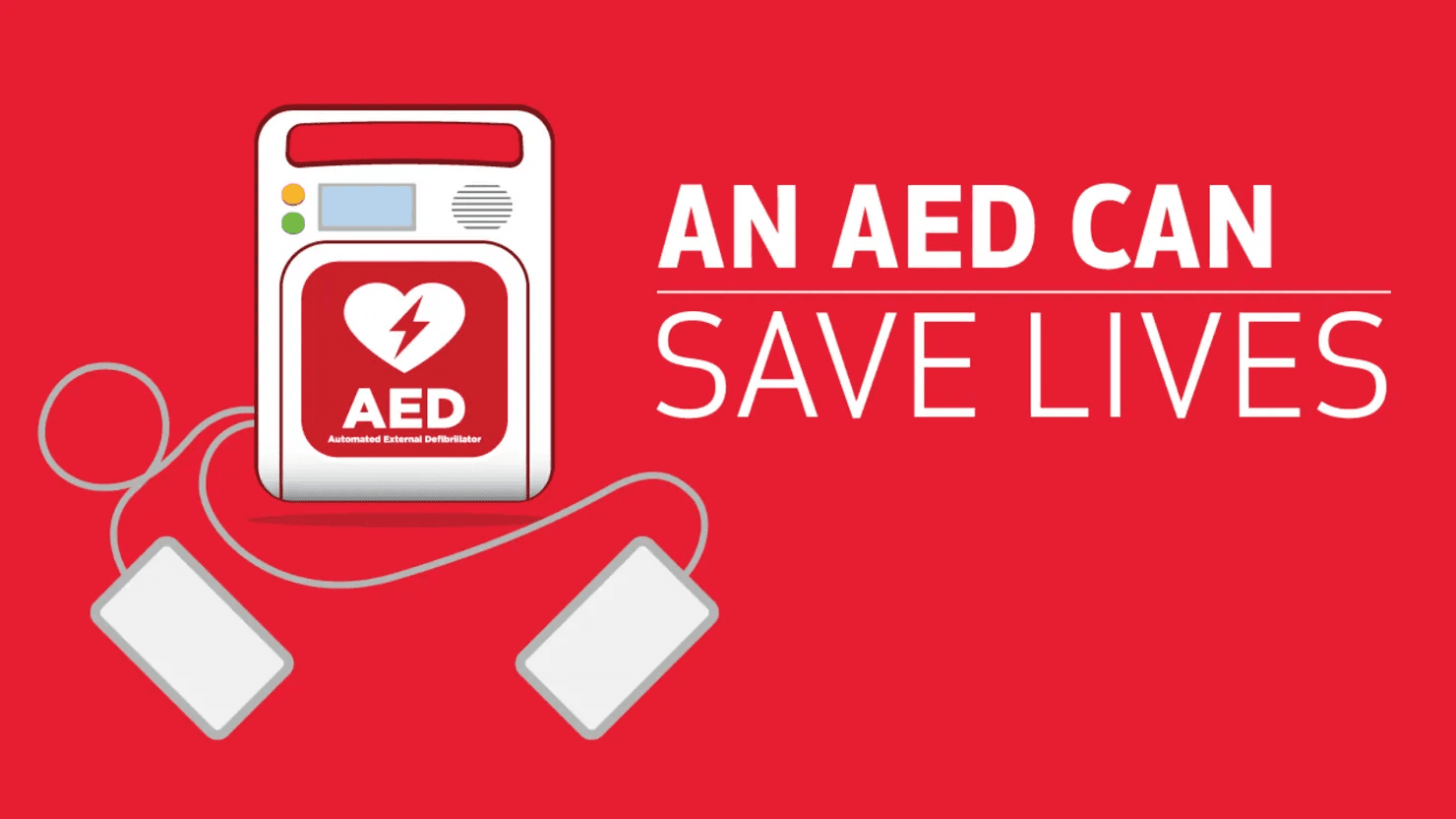
What is AED and How to Use It?
Learn what an AED (Automated External Defibrillator) is and how to use it effectively in emergency situations, from basic functions to step-by-step usage instructions.
Read more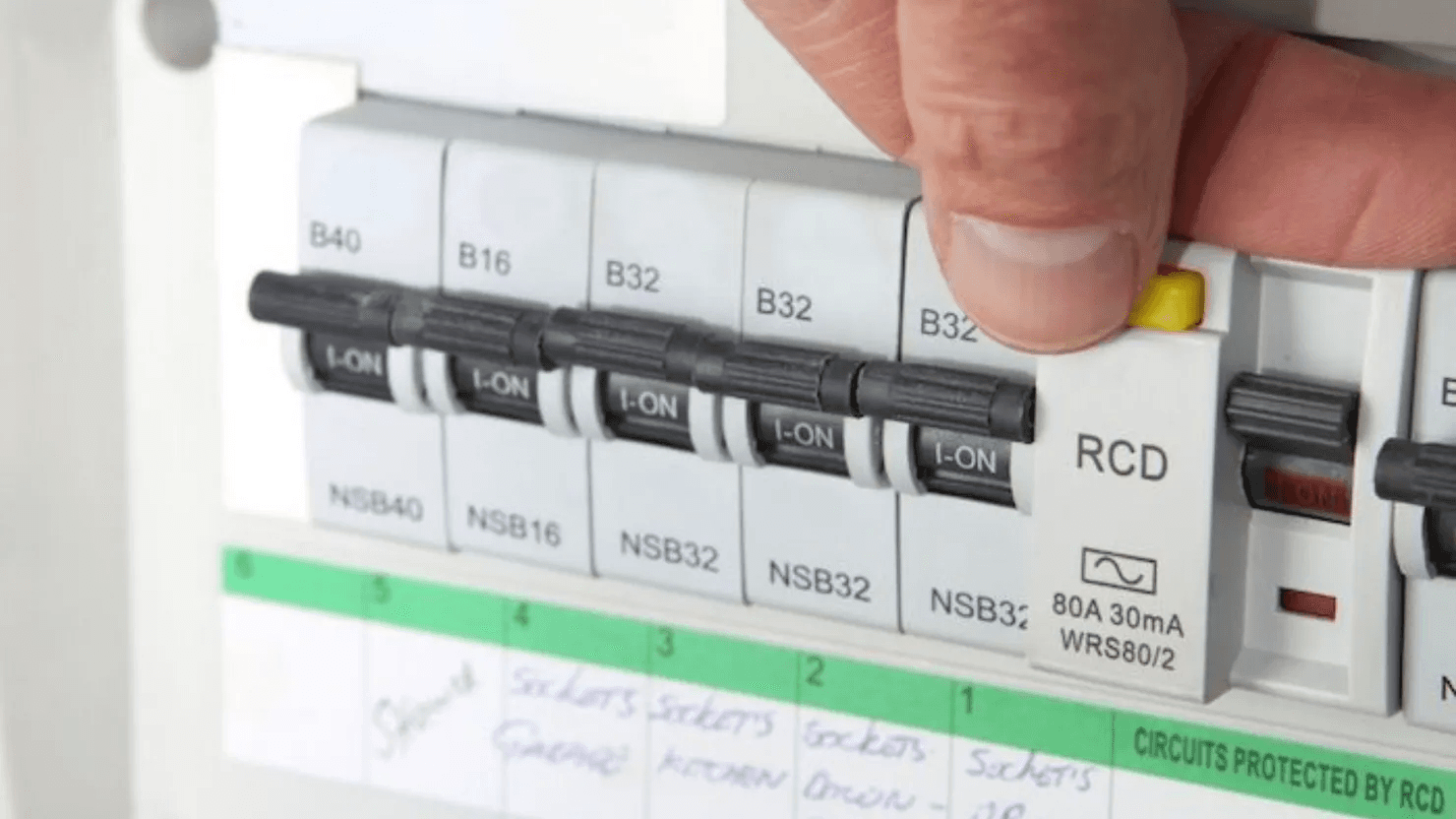
What Is An RCD and How Does It Work?
Learn what an RCD (Residual Current Device) is and how it works to protect against electrical hazards. This guide explains the functionality and importance of RCDs.
Read more
Behind the Scenes of Test and Tag: What Happens in Your Workplace
Go behind the scenes of the test and tag. Discover what happens during electrical safety testing, why it's crucial, and how it ensures a safe working environment.
Read more
Understanding Electrical Testing and Tagging Compliance with Regulations in New Zealand
Learn about electrical testing and tagging compliance with New Zealand regulations. Understand the requirements, processes and importance of maintaining electrical safety standards.
Read more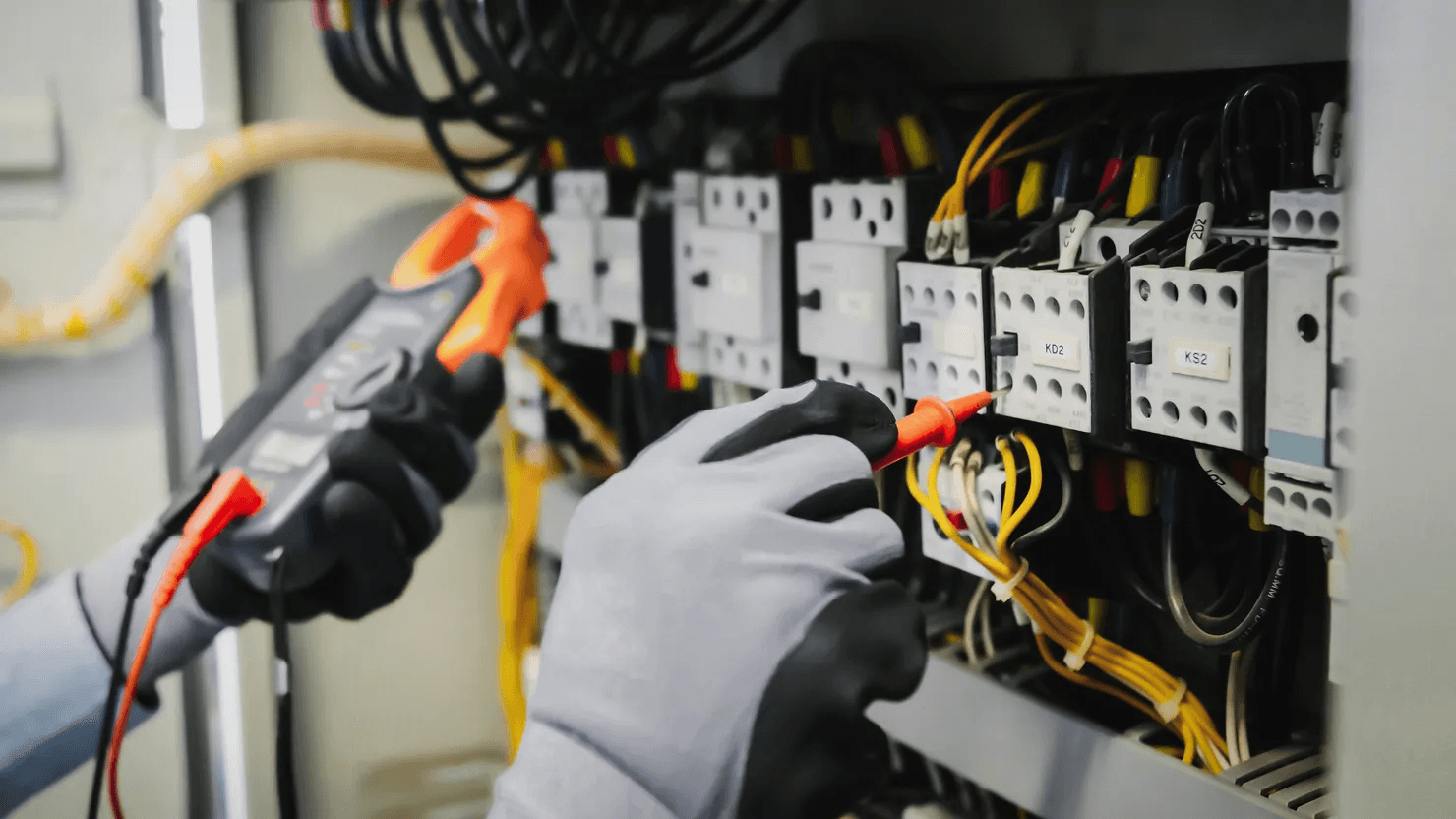
Explore TESTntel's Services in 2024
Discover TESTntel’s full range of services in 2024, including electrical test and tag, thermal imaging, EVSE inspection, fire equipment testing and digital asset management solutions across New Zealand.
Read more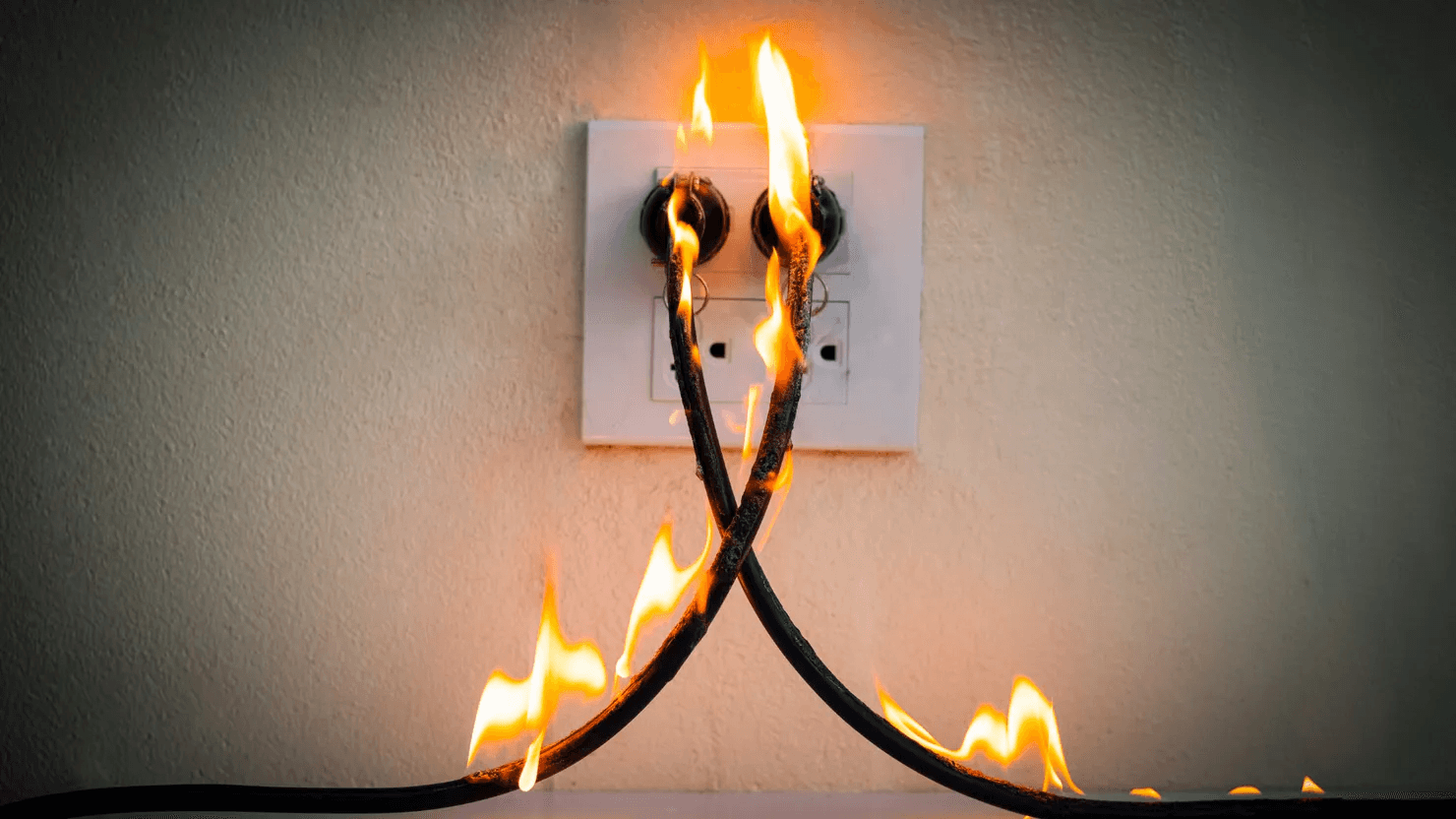
7 Common Electrical Hazards and Why You Need Electrical Testing and Tagging Services
Ensuring safety and compliance in your workplace. Discover the 7 common electrical hazards and learn why you need electrical testing and tagging services.
Read more
What Should You Do First After an Electrical Hazard Injury?
Find out the crucial first steps to take after getting hurt from electrical hazards. Learn essential safety measures and immediate actions to ensure proper care and prevent further injury.
Read more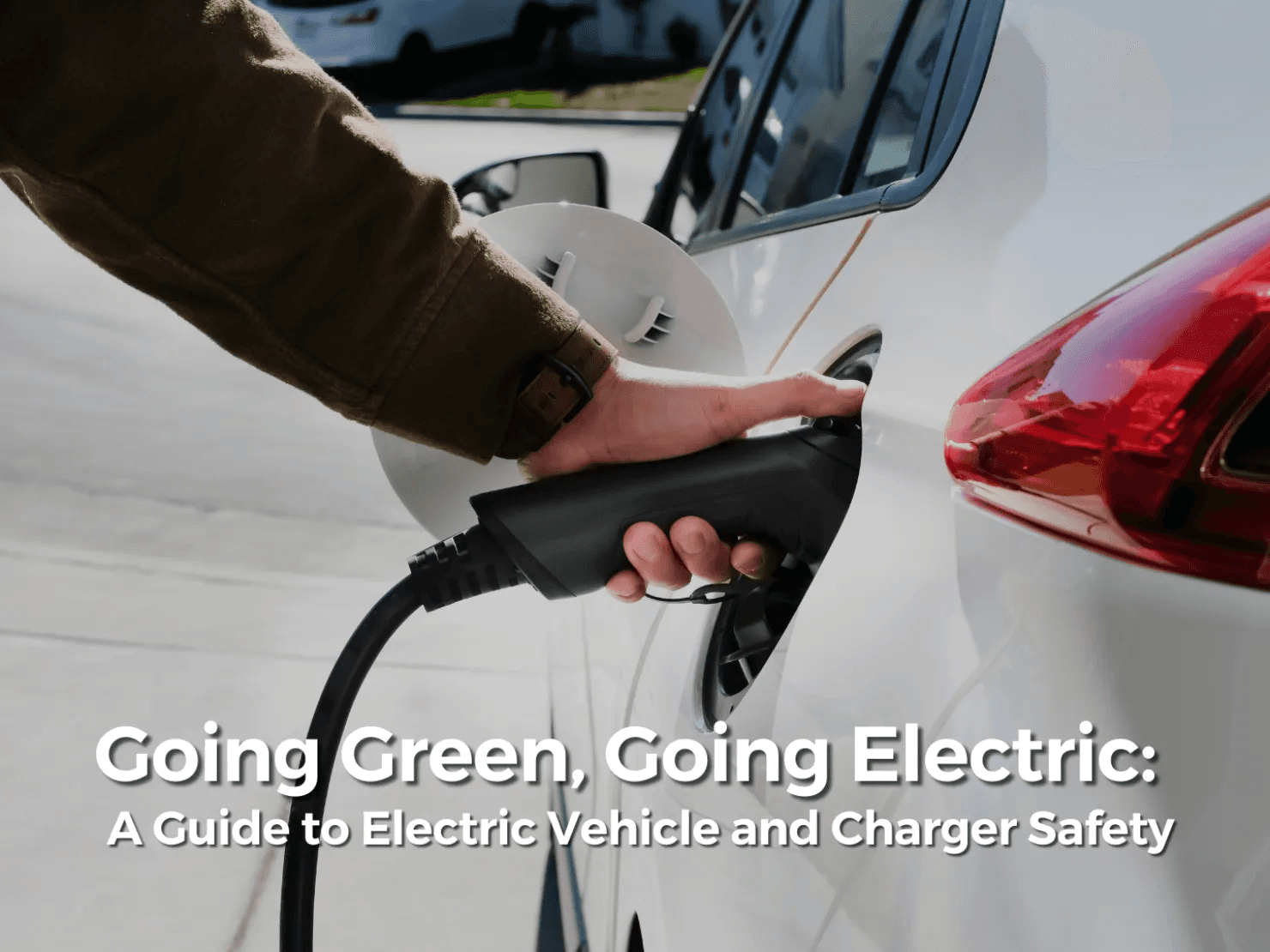
EV Charger Testing and Safety: A Guide to Electric Vehicle Charging in New Zealand
Learn about electric vehicle charger safety, EV charging tips and the rise of electric vehicles in New Zealand. Learn more about TESTntel EVSE services.
Read more
Why Electrical Testing and Tagging Are Vital for Business Safety
Ensure workplace safety with regular electrical testing and tagging. Discover why this essential service protects your business, staff and equipment from electrical hazards.
Read more
About TESTntel: Your Workplace Safety and Compliance Expert
Learn how TESTntel supports workplace safety and compliance across New Zealand with electrical testing, AED checks, thermal imaging, EVSE testing, fire equipment inspections and digital asset management.
Read more
Ensuring Electrical Safety and Compliance: A Guide to Keeping You Safe
Learn the key tests involved in electrical compliance testing, including visual inspection, insulation resistance, earth continuity, RCD testing and load performance checks.
Read moreNo articles in this topic yet.