Test & Tag in Schools: Electrical Safety for Kids
Learn why electrical test and tag are essential for schools. Discover what needs to be tested, how often, and how these services protect kids and ensure compliance under AS/NZS 3760:2022.

Schools are one of the most complex “workplaces” in New Zealand. It falls under the same Health and Safety at Work Act obligations as any other workplace. Hundreds of classroom appliances and portable equipment, movement between rooms and even frequent use after hours. It’s a risk environment that looks simple, but actually isn’t.
Maintaining electrical safety is therefore not just compliance. It protects students, teachers, support staff, visitors and contractors across schools.
- Legal Obligations for Electrical Safety of Education Sites
- Why Test and Tag in Schools?
- What Gets Tested and Tagged?
- How Often Should Schools Test & Tag?
- Scheduling Test and Tag Around School Hours
- Thermal Imaging: Looking Beyond the Surface
Legal Obligations for Electrical Safety of Education Sites
Under the Health and Safety at Work Act, schools and tertiary institutions must maintain safe electrical systems and equipment.
‘Schools have a legal duty to make sure electrical appliances and equipment are electrically safe and maintained in good condition.’— Ministry of Education.
Related Readings: Understanding Electrical Testing and Tagging Compliance with Regulations in New Zealand
Related: Understanding Electrical Testing and Tagging Compliance with Regulations in New Zealand
Why Test and Tag in Schools?
School appliances are often:
- transported between rooms
- used by multiple people throughout the day
- plugged and unplugged frequently
Children interact with electrical equipment every day.
This increases risk of damage to cords, plugs, insulation and housings. Routine electrical testing and tagging (AS/NZS 3760:2022) identifies wear and faults before they become incidents.
What Gets Tested and Tagged?
If it plugs in and is not permanently wired, it needs to be maintained and periodically tested.
Common school items include:
- Laptop and device chargers
- Laptop trolleys / charging cabinets
- Laminators and printers
- Heaters and fans
- Portable science equipment
- Staffroom appliances (kettles, microwave, toaster)
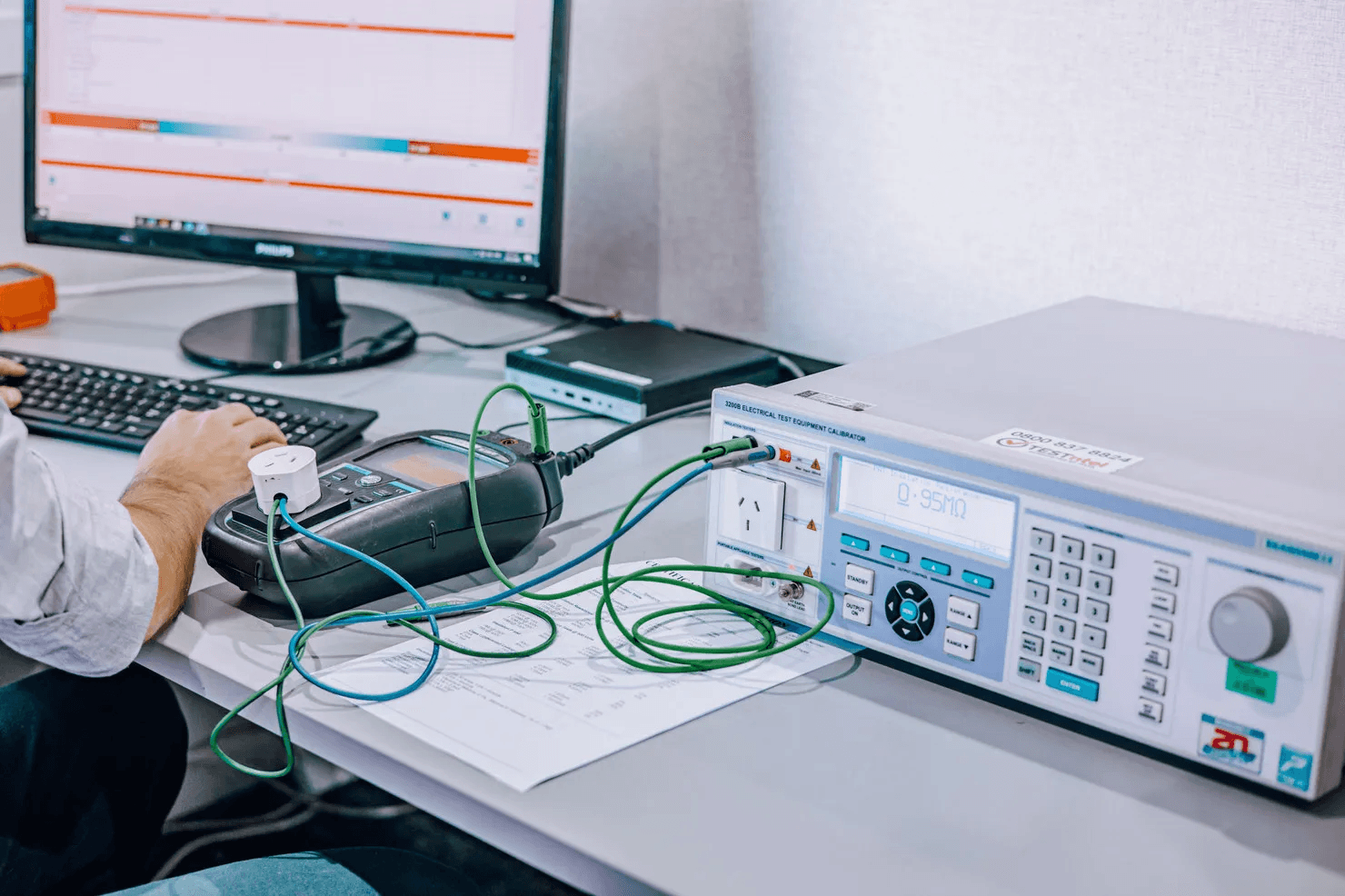
At TESTntel, every item is tested and tagged with a QR code. An e-report is then generated, including an image, the test date, the next due date, and other relevant details, providing a clear record of its safety status.
How Often Should Schools Test & Tag?
School equipment is frequently moved, handled by many people, and subject to everyday wear and tear. Usual test and tag frequencies are:
- General appliances: every 12 months
- High-risk items / Workshop / technology equipment: every 6 months
- RCD testing: every 6–12 months, depending on type
At TESTntel, we have dedicated schedulers for each region, covering the whole of New Zealand. We’ll send an email reminder before your testing is due, so nothing gets missed.
Scheduling Test and Tag Around School Hours
Our professional technicians can work around class timetables to minimise disruption — before school, after school, term breaks, or teacher-only days.
At TESTntel, we also provide detailed PDF reports and certificates once the testing is completed. Schools can easily track assets, departments, locations, and expiry dates — ideal for budgeting and long-term planning.
Thermal Imaging: Looking Beyond the Surface
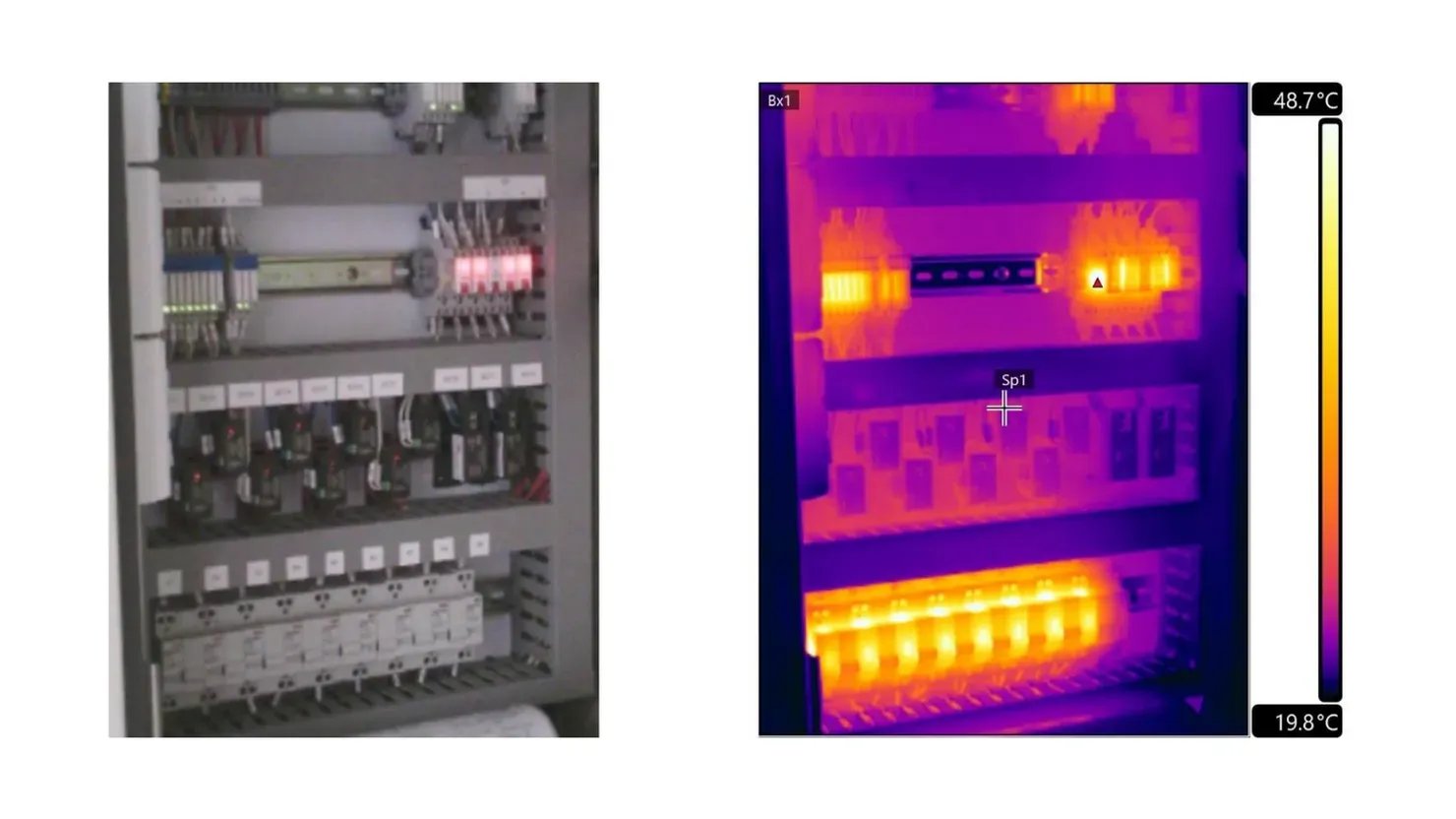
While test and tag focus on portable electrical equipment, Thermal Imaging looks at the school’s fixed electrical infrastructure, such as:
- Main switchboards
- Sub-boards and distribution panels
- High-load circuits
- Server rooms and IT racks
Related Readings: What is Electrical Thermal Imaging and Who Can Perform It?
Related: What is Electrical Thermal Imaging and Who Can Perform It?
Schools are where future talent is built, and keeping those spaces safe is a key part of our responsibility.
Call us now or fill in the online form for a free quote. We offer:
- Licensed, experienced technicians
- In-depth knowledge of AS/NZS 3760:2022 and school-specific risks
- Well-trained staff who know how to work safely and appropriately around children
- Centralised digital asset management system and Customer Portal
- Clear reporting with next due dates