Food Truck Electrical & Fire Safety
Learn essential electrical and fire safety tips for food trucks in New Zealand. Discover why fire extinguishers, safe equipment use and compliance matter during the busy summer and Christmas event season.

With more events running across New Zealand during summer and Christmas, food trucks are busier than ever. They are mobile kitchens and can be a recipe for risk if not managed correctly.
Here is this article will talk about how food truck owners, event organisers and operators can stay safe, compliant, and ready for the busy summer season.
- Common Electrical Risks in Food Trucks
- Electrical Safety Tips for Food Truck Operators
- NZ Electrical Safety Regulations That Apply to Food Trucks
- Fire Safety in Food Trucks
- Essential Fire Safety Equipment
- Fire Safety Tips for Summer Events
- How TESTntel Can Help
Common Electrical Risks in Food Trucks
Food trucks rely heavily on electrical equipment, often powered by generators, extension leads, multi-boards or temporary event power. The risks increase when equipment is moved often or exposed to heat, grease and bad weather.
Key electrical hazards include:
- Damaged cords or plugs
- Loose or exposed wiring
- Overloaded multi-boards
- Faulty appliances
- Poor generator grounding
- Operating electrical equipment with wet hands
- Using the wrong type of cables or leads
- Non-NZ standard cables or adapters
- Using untested second-hand appliances
Related Readings: Electricity Safety in Summer: Tips for Caravans, Camping and Outdoor Adventures
Related: Summer Electrical Safety – Caravans, Camping & Outdoor Tips
Electrical Safety Tips for Food Truck Operators
1. Get your equipment tested and tagged
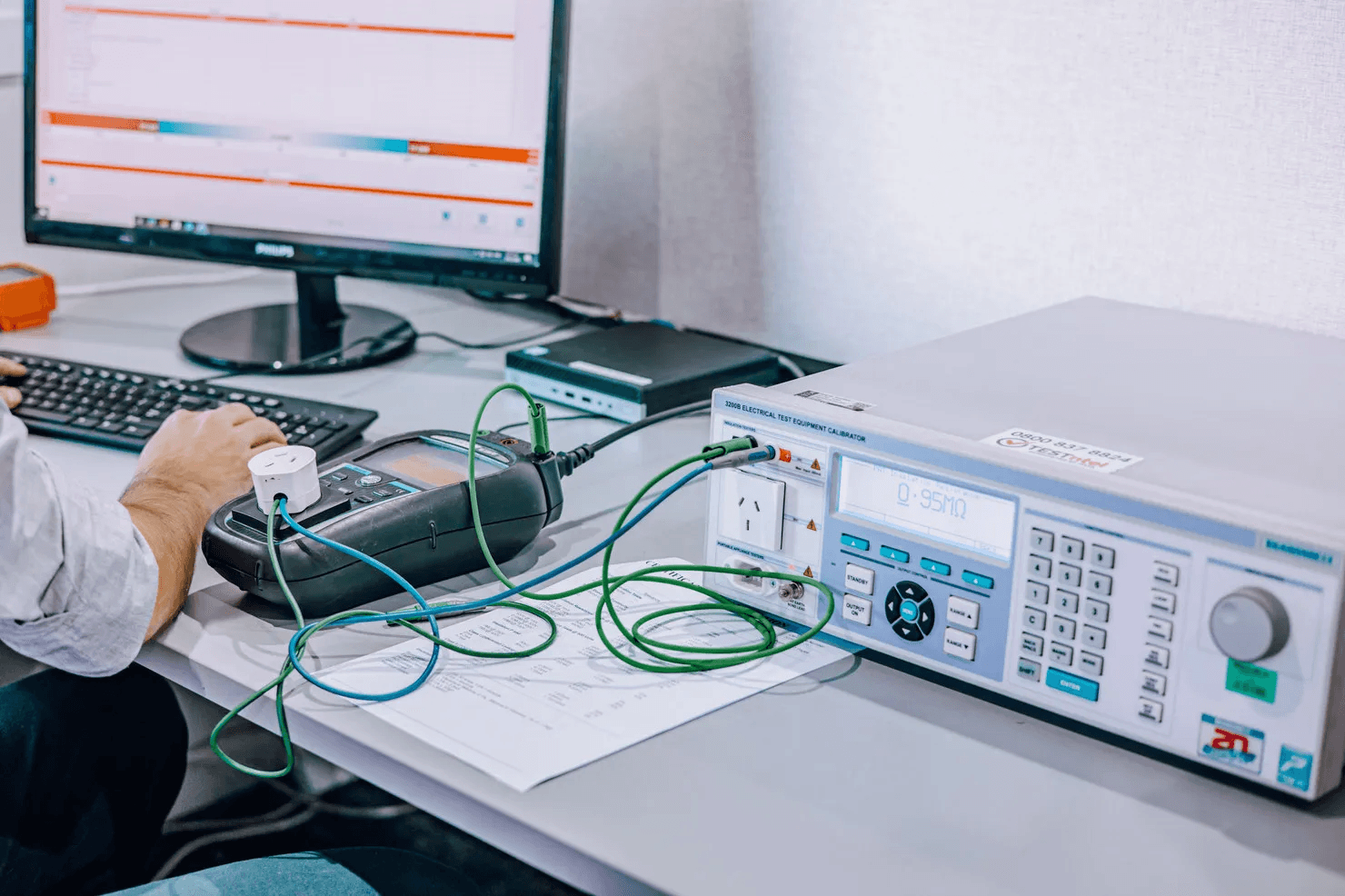
All portable electrical appliances should be tested and tagged under AS/NZS 3760:2022. A simple test and tag can catch damaged cables or overheating equipment before they cause harm.
Need support? Contact TESTntel — 0800 837 8824 or info@testntel.co.nz.
2. Use the right extension leads
Choose heavy-duty outdoor-rated cables. Inspect leads daily for splits or exposed wiring.
Related Readings: What is an RCD and how does it work?
3. Keep cables away from heat and water
Never run power leads near fryers, sinks or the grill area. Make sure they’re secured so people can’t trip over them or pull them loose.
4. Check generators and power supplies
If you’re using a portable generator, make sure it is correctly grounded and serviced.
NZ Electrical Safety Regulations That Apply to Food Trucks
Food trucks fall under the category of “connectable installations”, which includes caravans, camper vans, motor homes and food or vending vans.
These installations must comply with AS/NZS 3000 (Wiring Rules) and AS/NZS 3001 (the standard for connectable electrical installations in transportable vehicles).
Any electrical installation or modification inside a food truck must be carried out by a licensed electrician, as it is considered prescribed electrical work. All appliances (new or second-hand) must meet NZ safety requirements, including testing under AS/NZS 5761 for used appliances.
Fire Safety in Food Trucks
Food trucks are high-risk environments when it comes to fire. Hot oil, gas bottles, high temperatures tight working spaces mean even small issues can escalate quickly.
Top fire hazards include:
- Gas leaks
- Overheated electrical appliances
- Unattended cooking
- Faulty cooking equipment
Essential Fire Safety Equipment
Every food truck should be equipped with:
1. Fire Extinguishers
- ABE extinguisher (general electrical & portable cylinders fires)
- Wet chemical extinguisher (for deep fryer & cooking oil fires)
This is crucial to have at least one fire extinguisher, as water cannot be used on oil fires.
Related Readings: Fire Extinguishers: Types, Maintenance, and Testing Guide for Fire Safety
Related: Fire Extinguishers – Types, Maintenance & Testing for Fire Safety
👉 Need your fire extinguishers tested? Book a Fire Equipment Testing.
2. Fire Blanket
Ideal for smothering small cooking fires or clothing fires.
Fire Safety Tips for Summer Events
- Anyone working in the truck should know basic emergency actions and how to use fire extinguishers and fire blanket.
- Always keep the exit clear.
- Manage deep fryers carefully and keep an eye on nearby flammables.
How TESTntel Can Help
TESTntel can provides electrical and fire safety services for food trucks, including:
- Test & Tag for all appliances
- Fire extinguisher supply & testing
- Thermal imaging of electrical systems
- Fire aid kits supply
We help you stay safe, compliant and event-ready, so you can focus on serving great food this summer.
Call or email us to book an onsite visit, or drop your items at our workshop — for 9 items or fewer, only the minimum fee applies. Get a cost estimate today!